What changed on 1 June?
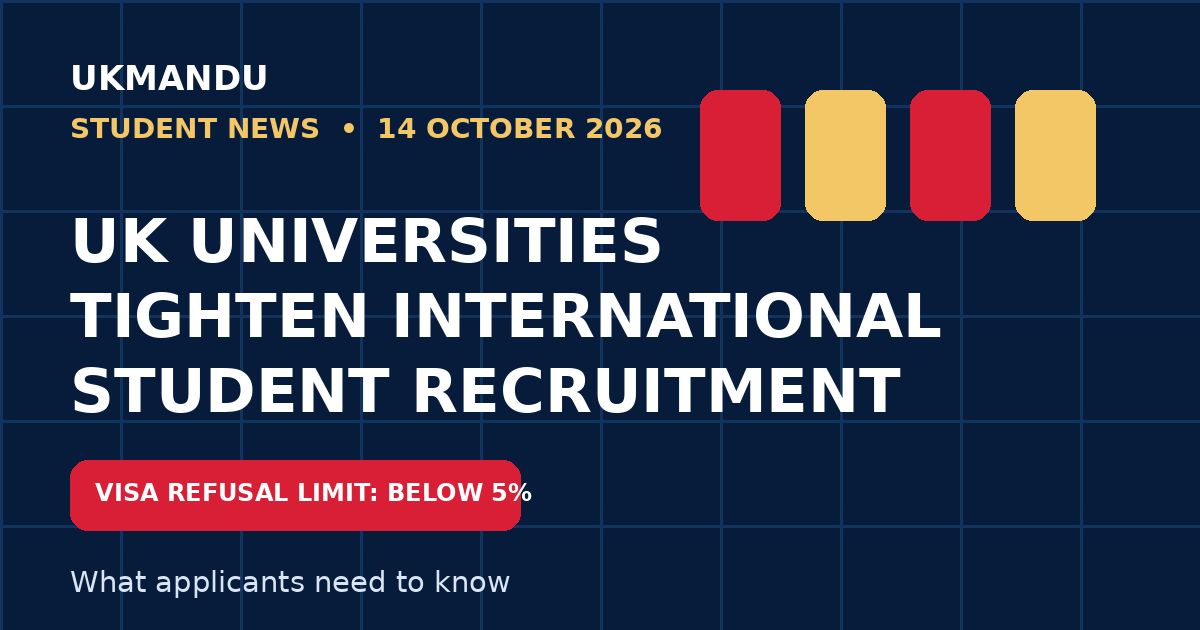
Universities that sponsor international students undergo a Home Office Basic Compliance Assessment every 12 months. For assessments made before 1 June 2026, a sponsor needed a visa-refusal rate below 10%. For assessments from 1 June 2026, that limit is below 5%. The required enrolment rate also rose from 90% to 95%.
A university that misses a core requirement can receive a red rating and face compliance action. Depending on the circumstances, that can include an action plan or the loss of its student sponsor licence. The guidance includes transitional and discretionary assessments, so crossing a metric does not mean every institution automatically loses its licence.
Why offers and CAS assignments are being withdrawn
A university’s refusal rate is calculated from visa applications made using the Confirmation of Acceptance for Studies—known as a CAS—that it assigned. Official guidance says that if the university withdraws a CAS before UKVI decides the linked visa application, that case is excluded from the refusal-rate calculation.
That creates a powerful incentive for institutions to identify applications they consider more likely to be refused and withdraw the offer or CAS before a decision. Some universities are therefore adding interviews, checking finances and English evidence more closely, limiting agents or pausing recruitment from selected markets.
What the reported figures show
Financial Times reporting says 10.5% of UK study visa applications were withdrawn in the first half of 2026, compared with 2.3% in the same period of 2025. It reported much higher withdrawal rates for applicants from Pakistan (40.9%), Bangladesh (23.5%) and Nigeria (22.7%). A withdrawal is not the same as a visa refusal, and applications can be withdrawn for several reasons.
The same reporting says around 15 universities were thought to have suspended recruitment from Pakistan. Decisions differ by institution, course and intake, so applicants should check directly with the university instead of assuming that one university’s policy applies across the UK.
What applicants should do now
- Confirm the offer and CAS directly: ask the university whether recruitment for your nationality, course and intake remains open.
- Prepare for stricter credibility checks: be ready to explain your course choice, career plan, funding and previous study clearly and consistently.
- Keep financial evidence exact: follow the current Student visa rules and maintain the required funds for the full required period.
- Avoid irreversible spending too early: read deposit and refund terms before paying, and avoid booking non-refundable travel until the visa is granted.
- Respond quickly: if a university asks for new documents or an interview, missing the deadline may put the offer or CAS at risk.
What this means for current students
A university tightening future recruitment does not automatically cancel the visa of a student already studying there. Current students should continue attending and meeting their visa conditions. If their institution’s sponsor status changes, they should follow official communication from the university and UKVI rather than rumours on social media.
Sources checked 14 October 2026: Home Office Student sponsor compliance guidance and reporting by the Financial Times.
This article provides general information. University admissions and visa decisions depend on individual circumstances and current rules.